How Dental Crowns Los Angeles CA Support Long-Term Dental Health
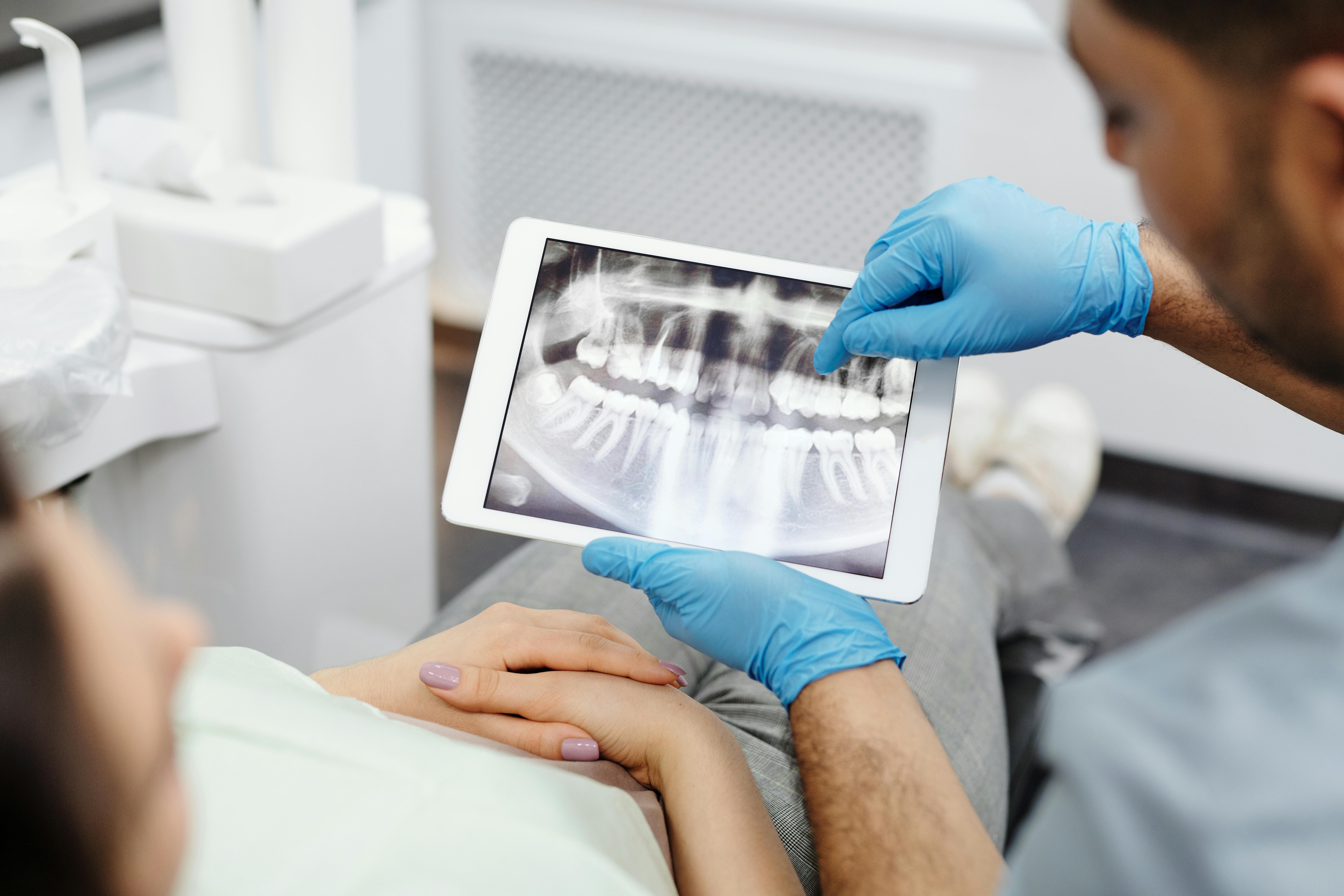

A well-made dental crown does far more than improve the look of a damaged tooth. In daily practice, crowns often become the turning point between a tooth that continues to deteriorate and a tooth that functions comfortably for many years. For patients balancing work, social obligations, and the realities of life in a fast-paced city, that kind of stability matters. When people search for Dental Crowns Los Angeles CA, they are usually not just looking for a cosmetic fix. They are looking for a way to keep eating, speaking, smiling, and avoiding bigger dental problems down the road.
Crowns sit at an interesting intersection of restorative and preventive dentistry. They are used after damage has already occurred, but their real value often lies in what they prevent next. A tooth with a large crack, extensive decay, or a failing old filling may still be alive and savable, yet too weak to withstand normal biting pressure. Covering it with a crown redistributes force, protects remaining structure, and helps preserve the tooth in the mouth rather than losing it and moving on to more complex treatment.
That long-term perspective is where crowns earn their reputation.
Why a crown is more than a cap
Patients often hear a crown described as a cap placed over a tooth. Technically, that is true, but it misses the practical significance. A crown is a custom restoration designed to replace the outer form of a compromised tooth while supporting how that tooth works inside the mouth. It must fit the bite, respect the gums, protect the remaining tooth structure, and hold up to years of chewing.
Think about what a natural tooth endures. Every day, it handles repeated pressure from meals, grinding, clenching, temperature changes, and exposure to acids and bacteria. Once a tooth is weakened, its margin for error narrows quickly. A tooth with a deep filling may look acceptable on an X-ray and still be one hard bite away from fracture. In those situations, a crown acts less like an accessory and more like structural reinforcement.
This is especially relevant in a city where many adults delay care until symptoms become impossible to ignore. A patient might function for months with a cracked molar, chewing mostly on one side, assuming it can wait. Then the crack deepens, the tooth breaks below the gum line, and what could have been restored with a crown becomes an extraction case. That sequence is common enough that many dentists discuss crowns in terms of preservation, not merely repair.
The dental problems crowns are designed to solve
Crowns are recommended for several reasons, and not all of them involve obvious pain. Some patients arrive with a tooth that aches when biting. Others have no discomfort at all, yet their tooth is visibly weakened by large restorations or internal damage.
A crown may be appropriate when a tooth has lost too much natural structure to support a filling safely. It may also be used after root canal treatment, when the tooth is often more brittle than before. Front teeth and back teeth are judged differently here. A front tooth that had a root canal but still retains strong walls may not always need a full crown. A molar, which absorbs far heavier chewing pressure, much more often does.
Crowns are also used to restore teeth with major wear. In Los Angeles, many adults live with stress-related grinding, often without realizing it until flattened teeth, chipped enamel, and jaw tension show up. In those cases, crowns can rebuild lost anatomy and help stabilize the bite. They are also central to implant dentistry, where the crown is the visible tooth-shaped restoration placed on top of the implant.
Sometimes the reason is as much functional as aesthetic. A front tooth with a large fracture may make someone self-conscious, but it can also affect speech and make biting into foods difficult. Restoring that tooth with a properly designed crown can improve confidence and mechanical function at the same time.
How crowns protect long-term dental health
The phrase “long-term dental health” can sound broad, Dental Crowns Los Angeles CA but with crowns it becomes very concrete. Their benefits show up in a few key ways, often gradually rather than all at once.
First, crowns help prevent fractures from spreading. A cracked tooth rarely heals on its own. Once the structural integrity is compromised, the crack can deepen under repeated force. A crown can bind and protect the remaining tooth, reducing the chance that a manageable problem turns into a catastrophic break.
Second, crowns help maintain chewing balance. When one tooth hurts or feels weak, people adapt. They chew on the opposite side, avoid certain foods, or change jaw movements without noticing. Over time, that compensation can overload other teeth and muscles. Restoring one damaged tooth can protect the entire system.
Third, crowns can preserve the position of a tooth in the dental arch. Losing a tooth creates consequences that extend beyond the gap itself. Neighboring teeth drift. Opposing teeth can over-erupt. Biting patterns change. A crown can delay or prevent that chain reaction by saving a tooth that might otherwise be lost.
Fourth, crowns often extend the life of teeth that have already undergone significant treatment. A tooth with a large old filling has already spent years under strain. Replacing that patchwork structure with a full-coverage restoration can buy meaningful time, sometimes a decade or much more, depending on oral hygiene, bite forces, and material choice.
The situations where timing matters most
There is a narrow window in many restorative cases when a crown provides the greatest value. Wait too long, and the same tooth may no longer be a candidate.
One example is the heavily filled molar. A patient may have a tooth with an old silver filling that now has recurrent decay around the edges. The dentist removes the decay and discovers that only thin walls remain. At that moment, placing another large filling may seem cheaper and easier. But thin tooth walls under chewing pressure tend to flex, and flexing leads to cracks. A crown usually offers much better long-range prognosis.
Another example is a tooth after root canal treatment. Patients often assume the root canal itself solved the problem permanently. In reality, the root canal removes infected or inflamed pulp tissue, but it does not strengthen the tooth. If anything, the tooth may be more vulnerable afterward, especially if substantial structure was lost to decay or access preparation. Delaying the crown after a root canal is one of the more preventable reasons restored teeth later fracture.
A third scenario involves fractured cusps. Sometimes a person bites on a popcorn kernel, olive pit, or crusty bread and a piece of tooth breaks off. If the fracture is limited, a crown may restore it predictably. If the break extends too far toward the root, options narrow quickly.
Materials matter, but fit and planning matter more
Patients often ask which crown material is “best.” That is a fair question, but the answer depends on location, biting forces, esthetic expectations, and how much natural tooth remains. Porcelain, zirconia, porcelain-fused-to-metal, and gold each have strengths. No single material wins in every situation.
Zirconia has become popular because it combines strength with improved appearance compared with older all-metal options. It is often a practical choice for back teeth, especially in patients who clench. Porcelain-based crowns can provide excellent esthetics in visible areas, though they may require careful case selection when bite forces are high. Gold remains one of the most durable restorative materials ever used in dentistry, even if fewer patients choose it for visible reasons. It is kind to opposing teeth and performs remarkably well over time.
Still, material choice should not overshadow the fundamentals. A beautifully advertised material cannot rescue a poorly prepared tooth, an inaccurate bite, or margins that trap plaque. Long-term success usually depends more on diagnosis, design, and execution than on marketing language.
For anyone considering Dental Crowns Los Angeles CA, this is worth remembering. Two crowns may be made from the same material and have very different lifespans because one was planned around the patient’s bite, gum health, and habits, while the other was not.
What the process typically looks like
For most patients, getting a crown involves a series of straightforward steps, though modern offices vary in whether they use traditional impressions or digital scanning, and whether the crown is delivered in one visit or two.
- The tooth is evaluated clinically and with X-rays to determine whether it can be predictably restored.
- If a crown is appropriate, the tooth is shaped to create room for the final restoration and remove weak or decayed structure.
- An impression or digital scan captures the tooth and bite so the crown can be fabricated accurately.
- A temporary crown is usually placed if the final crown is made off-site.
- The final crown is tried in, adjusted, and cemented once fit, contact, and bite are confirmed.
Those steps sound simple on paper, but there is a lot of judgment behind them. The dentist has to decide how much tooth structure to remove, whether buildup is needed to reinforce the foundation, whether the gum tissue is healthy enough to support the margins, and whether the bite needs refining to avoid premature heavy contact.
From the patient’s perspective, the most important parts are often less technical. Temporary crowns should feel secure. The final crown should not pinch floss, trap food, or feel “high” when biting. A crown that looks good but alters the bite can create headaches, soreness, or sensitivity elsewhere, particularly in patients who already clench.
Crowns and root canal treated teeth
No discussion of long-term crown value is complete without addressing root canal teeth. These are among the most common teeth restored with crowns, and for good reason.
A tooth that needed a root canal has usually been through extensive decay, deep fracture, trauma, or repeated procedures. That history matters. By the time the nerve is treated, the remaining tooth may be significantly hollowed out. It can still function well, but its resistance to fracture is lower than that of a healthy untouched tooth.
Molars are especially vulnerable because they bear large vertical and lateral loads. Patients sometimes postpone the crown after the root canal because the pain is gone and life gets busy. Months later, the tooth cracks, and the cost of delay becomes much higher than the cost of timely restoration.
There are exceptions. Not every root canal tooth requires the exact same restorative approach. A front tooth with minimal structure loss might receive a different type of restoration than a heavily broken down molar. The point is not that every tooth gets the same treatment. The point is that the restoration should match the stress the tooth must survive.
Esthetics matter, especially when the crown is visible
Long-term dental health is not only mechanical. If a patient feels embarrassed by a damaged or discolored tooth, they may smile less, postpone care, or avoid addressing adjacent problems. Restoring a visible tooth can change behavior in subtle but important ways.
That said, esthetic crowns require honest planning. Matching adjacent natural teeth is difficult because real teeth are not a single uniform color. They have translucency, texture, and light variation. The best cosmetic outcomes usually come from careful shade communication, high-quality lab work, and realistic expectations. Whitening nearby teeth before a front crown is often discussed because a crown will not whiten later the way natural enamel can.
In Los Angeles, where appearance often carries social and professional weight, patients may focus heavily on color and symmetry. That is understandable, but a good dentist will still balance esthetics with biology. Overcontoured crowns can look bulky and inflame the gums. Aggressive reshaping for cosmetic reasons can sacrifice healthy structure. The most successful visible crowns look natural because they respect the surrounding tissue and tooth proportions, not because they are unnaturally bright.
When a crown is not the right answer
Crowns are useful, but they are not cure-alls. There are situations where another treatment is more conservative or more predictable.
A small cavity on a structurally sound tooth usually does not need a crown. An inlay, onlay, or direct filling may preserve more healthy tissue. Likewise, if a crack extends too far below the gum line or into the root, a crown may not save the tooth. If gum disease has severely weakened support around the tooth, placing a crown without addressing the periodontal issue first misses the bigger problem.
This is one of the more important trade-offs in restorative dentistry. A crown can add protection, but it also requires shaping the tooth. That means it should be recommended thoughtfully, not reflexively. The best treatment plans are conservative where possible and decisive where necessary.
The role of maintenance after placement
A crown is not immune to decay. That surprises some patients. The crown material itself cannot decay, but the tooth structure at the margin still can. If plaque accumulates, if cement dissolves over time, or if oral hygiene is inconsistent, new decay can develop around the edges.
Long-term success depends heavily on home care and follow-up. Patients who keep crowns clean, attend regular exams, and address small bite or gum issues early tend to get much more life from their restorations. Patients who grind at night but never wear the recommended guard often fracture porcelain or loosen cemented restorations sooner than expected.
A few habits make a measurable difference:
- Brush carefully along the gumline where the crown meets the tooth.
- Floss daily, especially around crowned teeth that tend to trap food.
- Wear a night guard if clenching or grinding has been identified.
- Avoid using teeth to open packaging or bite hard non-food objects.
- Return promptly if the crown feels loose, high, or suddenly sensitive.
These sound basic, yet they are often the dividing line between a crown that lasts many years and one that fails early. In practice, it is common to see excellent crowns compromised by poor maintenance, and modest crowns perform surprisingly well in patients who are diligent.
How long crowns usually last
Patients nearly always ask for a timeline. The honest answer is that crowns can last a long time, but there is no universal expiration date. Many function well for 10 to 15 years, and some last much longer. Others need replacement sooner because of decay at the margin, changes in bite, fracture, gum recession, or underlying tooth problems.
Several factors influence longevity. Bite force is a major one. A patient who clenches through stressful workdays and grinds at night places very different demands on a crown than someone with a lighter bite. Oral hygiene matters just as much. The quality of the original tooth foundation is another large variable. A crown on a tooth with minimal damage generally has a different prognosis than a crown on a heavily rebuilt tooth with prior endodontic treatment.
It also helps to think of crowns as part of an ongoing system. Teeth shift subtly over time. Fillings on neighboring teeth age. Dental Crowns Los Angeles CA Gums change. A crown that fit perfectly ten years ago may still be serviceable but not ideal. Regular exams allow dentists to monitor margins, contacts, and surrounding tissues before a problem escalates.
Why local context in Los Angeles can influence care
Dental needs are personal, but local patterns do shape what clinicians see. In Los Angeles, many adults juggle packed schedules, long commutes, and high stress. That often translates into postponed appointments, nighttime grinding, and a preference for durable treatment that minimizes repeat visits. Crowns fit that practical need when used appropriately.
There is also a strong cosmetic awareness in the area, which can be positive when it motivates people to restore broken or worn teeth before the damage worsens. At the same time, cosmetic pressure can lead some patients to focus only on appearance while overlooking bite stability or gum health. The best restorative care addresses both.
For people researching Dental Crowns Los Angeles CA, the real question is not just where to get a crown. It is how to choose care that supports the health of the tooth five, ten, or fifteen years from now. That means asking how much tooth structure remains, what material suits your bite, whether grinding is a concern, how the crown margin will interact with the gumline, and what maintenance will be needed after placement.
The practical value patients feel every day
Most successful crowns fade into the background of daily life. That is usually the goal. The patient stops thinking about the cracked tooth they used to baby during meals. Cold drinks no longer trigger hesitation. Chewing returns to both sides. Floss glides without catching on a fractured edge. A front tooth looks normal in photos again.
Those are small wins, but they add up. Dentistry often works best when it quietly restores predictability. Crowns support that kind of stability by protecting weakened teeth before they move from compromised to unsalvageable.
There is no single dental treatment that guarantees lifelong oral health. Habits, biology, accidents, and time all shape the outcome. But when a tooth has reached the point where structure is failing, a properly planned crown is one of the most reliable tools available for preserving function and extending the life of the natural tooth.
That is the lasting value behind crowns. They do not just cover damage. They help interrupt the cycle that leads from minor weakness to major loss, and that can make all the difference in long-term dental health.
Simple Dental Vermont
Address: 8914 S Vermont Ave, Los Angeles, CA 90044
Phone number: +13239493000
FAQ About Dental Crowns Los Angeles CA
How much do crowns cost per tooth?
In the United States, a single dental crown typically costs between $800 and $2,500 per tooth without insurance. The ultimate out-of-pocket price depends heavily on the crown material, the location of the tooth, and whether you have dental insurance coverage.
What is the downside of crowns on teeth?
The primary downside of a dental crown is that the procedure permanently removes natural tooth enamel to shape the tooth for the cap.
Why do dentists push for crowns?
Dentists recommend crowns because a large filling cannot provide enough strength when a tooth loses a major portion of its structure or faces heavy chewing pressure.
Ends · RYLANVEPQ332