How Dental Crowns in Los Angeles CA Enhance Everyday Comfort
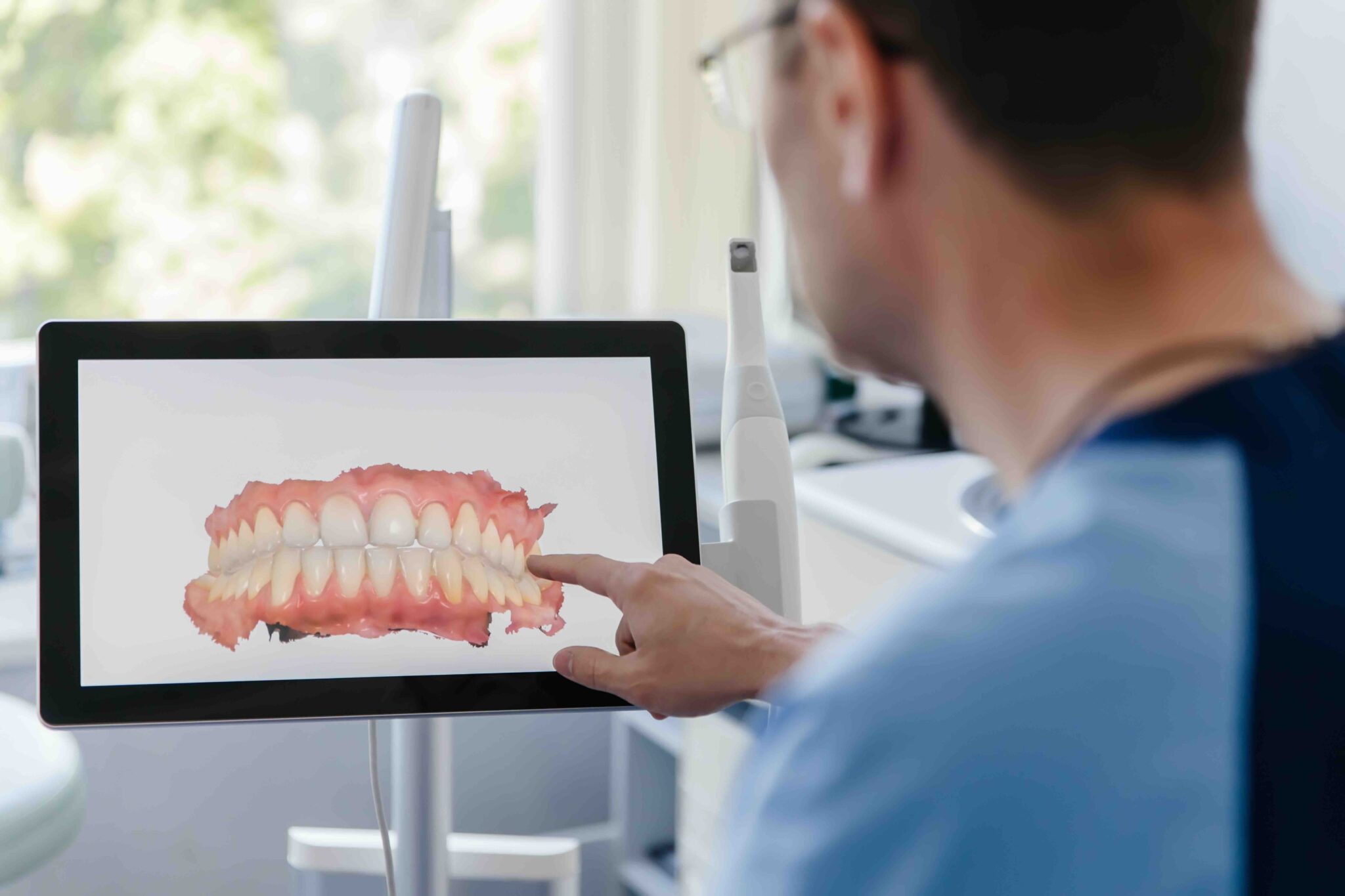
Comfort is not the first word most people use when they think about restorative dentistry. They usually think about repair, appearance, or expense. Yet in practice, comfort is often the reason patients feel the biggest difference after treatment. A well-made crown can change how a person chews, speaks, clenches, smiles, and even sleeps. It can remove the low-grade irritation that has been present for months, sometimes years, and replace it with a sense of ease that feels surprisingly personal.
That matters in a city like Los Angeles, where people move fast, eat on the go, talk for work, and expect their bodies to cooperate. When a damaged tooth interrupts that rhythm, even small tasks can become annoying. Sipping coffee on one side of the mouth, avoiding crusty bread, flinching from cold water, or feeling a rough edge scrape the tongue all day can wear a person down. Dental crowns are often framed as a structural solution, and they are, but one of their most important benefits is how they improve ordinary daily comfort.
The quiet discomfort of a compromised tooth
A weakened tooth does not always produce dramatic pain. More often, it creates a collection of smaller problems that add up. There may be sensitivity to temperature, pressure when chewing, a feeling that the bite is off, or a constant awareness of a rough or jagged area. Patients frequently adapt without realizing how much energy they are spending on compensation. They chew on the other side, avoid certain foods, take smaller bites, or tense the jaw to protect the sore tooth.
That adaptation has consequences. Shifting chewing patterns can strain the jaw muscles. Avoiding healthy foods because they are too hard or too fibrous can limit diet. Living with chronic sensitivity can make social meals less enjoyable. Even speech can change if a front tooth is fractured or worn enough to alter airflow and tongue placement. What starts as a single damaged tooth can affect the whole mouth.
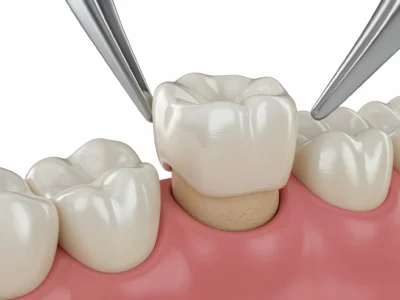
This is where crowns earn their value. A crown covers and protects a compromised tooth, restoring its shape, strength, and surface. If it is properly designed, it does more than cap the tooth. It helps reestablish a natural relationship between that tooth and everything around it, including the opposing teeth, the bite, the tongue, and the gumline.
Why a crown can feel better than a filling
Patients often ask why a crown is necessary when a filling seems simpler. The answer usually comes down to how much healthy tooth structure remains and how forces are distributed when biting. A filling works well for many cavities and minor fractures. But when a tooth has lost substantial structure, has undergone root canal treatment, or contains a large failing restoration, a filling may not offer enough support. It can leave the remaining tooth walls vulnerable to flexing or cracking.
A crown wraps the tooth more completely. Think of it less as patchwork and more as reinforcement. The goal is to create a stable outer form that can absorb chewing pressure without concentrating stress on thin, weakened sections of enamel or dentin. That structural stability often translates directly into comfort. A tooth that no longer flexes under load is less likely to produce sharp twinges during meals. A tooth with smooth, intact contours is less likely to catch food or irritate the tongue.
In real clinical life, the comfort difference can be striking. Someone who has been babying a molar for six months may find themselves absentmindedly chewing on that side again within days of getting the final crown. That return to normal function is one of the clearest signs that treatment has done its job.
Everyday activities that improve after a well-fitted crown
Comfort is easiest to appreciate in routine moments. It shows up at lunch, not only in the dental chair. Patients usually notice changes in a few predictable areas:
- Chewing becomes more even, especially with textured foods like nuts, bread crusts, grilled meat, and raw vegetables.
- Temperature sensitivity often decreases, making cold drinks and hot coffee less stressful.
- The tongue and cheek stop finding rough edges, cracks, or broken surfaces.
- Jaw tension may ease when a person no longer unconsciously avoids one side of the mouth.
- Smiling and speaking can feel more natural when a damaged visible tooth is restored to proper shape.
Each of these improvements sounds modest on its own. Together, they can make a person feel as though their mouth is no longer demanding constant management.
The role of precise fit in true comfort
Not every crown feels comfortable right away, and that is an important point. The restoration has to fit the tooth, the gums, and the bite with real precision. A crown that is even slightly high can make a patient feel as though one tooth hits first. That may not seem serious, but the body notices small discrepancies quickly. The result can be tenderness, fatigue in the jaw, headaches, or the persistent urge to shift the bite around.
Likewise, a crown that is too loose at the margin can trap bacteria and irritate the gum. One that is too bulky can alter speech or feel awkward against the tongue. One with poor contour can lead to food packing between teeth, which patients often describe as one of the most aggravating daily dental problems. Comfort does not come from the concept of a crown alone. It comes from execution.
This is why provider judgment matters. The best results depend on thoughtful tooth preparation, accurate impressions or scans, strong communication with the lab when a lab is involved, and careful bite adjustment at delivery. In my experience, the crowns patients love are rarely the ones described in flashy terms. They are the ones they stop noticing because they simply feel like part of the mouth.
Los Angeles patients often have comfort goals beyond pain relief
In Los Angeles, dentistry often overlaps with lifestyle in a visible way. People may spend long hours speaking on camera, meeting clients, performing, teaching, or working in hospitality. They need their teeth to look good, yes, but they also need them to function without distraction. Someone who talks all day notices subtle changes in tooth length and contour. Someone who follows a health-conscious diet notices right away if they cannot comfortably chew dense greens, seeded bread, or lean proteins.
This is one reason the conversation around Dental Crowns Los Angeles CA often goes beyond simple repair. Patients are not only asking, “Will this save the tooth?” They are asking, “Will this feel normal when I’m rushing between meetings? Will I be able to eat comfortably at a restaurant? Will my speech sound the same? Will my gums feel irritated?” These are practical, quality-of-life questions, and good crown treatment should address them.
There is also a local reality around stress and nighttime grinding. Many adults clench or grind, especially during periods of work pressure. Worn or cracked teeth are common in those cases, and comfort problems can be subtle at first. Crowns can play a valuable role in rebuilding damaged teeth and helping create a more stable bite, although they are not a cure for grinding itself. If bruxism is part of the picture, a night guard is often part of the long-term comfort strategy.
Materials matter, but not in the way patients sometimes assume
People often arrive focused on the strongest or most aesthetic material, expecting a simple ranking. In reality, comfort depends less on a universal “best” material and more on using the right one for the right tooth. Porcelain, zirconia, porcelain fused to metal, and other ceramic options each have strengths and trade-offs.
For back teeth under heavy force, durability may be the priority. For front teeth, translucency and contour often matter more because even tiny shape differences affect speech and appearance. Some materials allow for highly lifelike esthetics. Others are prized for strength. Thickness requirements, bite pattern, available tooth structure, and whether the patient grinds all influence the decision.
The common misconception is that comfort comes from choosing the premium material by price alone. In fact, a beautifully chosen material that is poorly contoured will not feel right, while a more straightforward material selected intelligently and fitted carefully may perform brilliantly. Patients are usually happiest when they understand that material selection is a clinical decision, not just a cosmetic upgrade.
Temporary crowns deserve more respect than they get
A temporary crown is easy to dismiss as an in-between step, but it often teaches both patient and dentist what the final restoration needs to accomplish. A good temporary protects the tooth, reduces sensitivity, and gives the patient a preview of shape and bite. If the temporary feels bulky, traps food, or hits wrong when chewing, that feedback is useful. It allows refinements before the final crown is cemented.
I have seen many cases where a small adjustment in the temporary phase prevented larger frustration later. A patient might report that an “s” sound feels slightly off, or that floss catches at one contact, or that a certain crunchy food still feels awkward. Those details matter. They are not vanity. They are functional signs that help fine-tune the final result.
For patients, the lesson is simple. Treat the temporary as part of treatment, not a disposable nuisance. Pay attention to how it feels in everyday life and report anything that seems off.
Comfort and gum health are closely linked
A crown can look polished and still feel wrong if the surrounding gums are inflamed. The margin, where the crown meets the tooth, is critical. If it is designed and finished well, it should support healthy tissue and allow effective brushing and flossing. If it is overcontoured or poorly adapted, plaque tends to accumulate, the gum may stay puffy, and the area can feel tender or awkward when cleaning.
Patients often describe gum-related crown discomfort as “something feels stuck there all the time” or “it bleeds every time I floss around that tooth.” Those are not minor complaints. Healthy, calm tissue is part of what makes a crown disappear into normal daily function. A crown should not become the tooth you Dental Crowns Los Angeles CA dread cleaning every night.
This is another reason follow-up matters. Sometimes the crown itself is fine, but the tissue needs time, better hygiene access, or a small contour adjustment. A professional evaluation can separate normal short-term adaptation from a problem that needs correction.
What the adjustment period really looks like
Most people adapt to a new crown fairly quickly, but “quickly” is not identical for everyone. The tooth may feel different at first simply because the old surface was broken, worn, or unstable for so long that the new anatomy seems unfamiliar. That does not necessarily mean the crown is wrong. It means the mouth is recalibrating.
A reasonable short adaptation period often includes mild awareness when biting, especially if the tooth was sensitive before treatment or had extensive prior damage. What should improve is function. The bite should not feel progressively stranger, the tooth should not remain sharply painful under pressure, and the jaw should not become more tense over time. Those patterns suggest the need for reassessment.
Patients do well when they know what deserves a call back to the office. Persistent high bite, gum soreness that does not settle, floss shredding, new food trapping, or ongoing sensitivity to pressure are worth checking. Skilled dentists expect these conversations. Minor refinements are part of quality care, not a sign that something has failed.
When crowns solve problems people did not realize were connected
One of the more satisfying parts of crown treatment is seeing secondary symptoms improve. A patient may come in focused on a cracked molar and return later saying they are no longer waking with one-sided jaw tightness. Another may have accepted chronic cheek biting as a habit, only to find it decreases once a worn tooth is restored to proper shape. Someone with a chipped front tooth may notice they speak more clearly after the crown restores the natural edge position.
These changes happen because teeth do not function in isolation. The mouth is a coordinated system. Shape affects movement. Surface texture affects soft tissue comfort. Bite contacts influence muscle activity. Stability on one tooth can reduce compensations elsewhere. That is why the right crown can feel beneficial beyond the tooth being treated.
It is also why treatment planning should be careful with edge cases. If several teeth are worn, if the bite has collapsed, or if there is untreated gum disease, one crown alone may not solve every comfort issue. It may be an important first step, but expectations should be realistic. Good dentistry balances optimism with honesty.
Situations where a crown may not be the best answer
Crowns are valuable, but they are not Dental Crowns Los Angeles CA Dental Crowns Los Angeles CA the answer to every dental complaint. If a tooth has a crack extending too far below the gumline, the long-term prognosis may be poor even with a crown. If pain is coming primarily from grinding, muscle tension, or nerve inflammation, a crown may need to be paired with other treatment to make a real difference. If the tooth has enough healthy structure left, a more conservative restoration may be preferable.
Patients deserve that nuance. The right recommendation is not the biggest procedure. It is the one that matches the biology of the tooth and the practical needs of the patient. In many cases, that does lead to a crown. In others, it leads elsewhere. Comfort improves most when treatment is appropriate, not merely available.
How to get the most comfort from your crown long term
Once a crown is in place, daily habits matter. The crown itself cannot decay, but the underlying tooth and surrounding gums still need care. Long-term comfort depends on keeping the area clean, controlling bite stress, and responding early if something changes.
Here are a few habits that make a real difference:
- Brush and floss consistently around the crowned tooth, especially at the gumline where plaque tends to collect.
- Use a night guard if you clench or grind and your dentist has recommended one.
- Do not ignore new food trapping, bleeding, or a bite that suddenly feels off.
- Keep routine checkups so small issues can be adjusted before they become painful.
- Be cautious with very hard habits, such as chewing ice or opening packages with teeth.
These are basic measures, but they protect the comfort you paid to regain.
Why patients often say the benefit is bigger than expected
Many people pursue a crown because they have to. A tooth breaks, a filling fails, or a dentist warns that the structure is too weak to leave unprotected. They expect a repair. What surprises them is how much better daily life feels after that repair is complete. The absence of nagging discomfort can be more noticeable than the procedure itself.
They realize they are not thinking about the tooth during dinner. They stop testing it with the tongue every few minutes. They drink something cold without bracing. They chew steak, almonds, or apples without automatically shifting food to the other side. Their smile looks whole again, which changes how relaxed they feel in conversation. None of this sounds dramatic from the outside. From the patient’s point of view, it can be transformative.
That is the real promise of dental crowns, especially for people seeking dependable restorative care in a busy city. The goal is not just to preserve a tooth on an X-ray. The goal is to restore ordinary comfort so thoroughly that the mouth fades back into the background where it belongs. For patients exploring Dental Crowns Los Angeles CA, that practical kind of relief is often the most meaningful result of all.
Simple Dental Vermont
Address: 8914 S Vermont Ave, Los Angeles, CA 90044
Phone number: +13239493000
FAQ About Dental Crowns Los Angeles CA
How much do crowns cost per tooth?
In the United States, a single dental crown typically costs between $800 and $2,500 per tooth without insurance. The ultimate out-of-pocket price depends heavily on the crown material, the location of the tooth, and whether you have dental insurance coverage.
What is the downside of crowns on teeth?
The primary downside of a dental crown is that the procedure permanently removes natural tooth enamel to shape the tooth for the cap.
Why do dentists push for crowns?
Dentists recommend crowns because a large filling cannot provide enough strength when a tooth loses a major portion of its structure or faces heavy chewing pressure.
Ends · RYLANVEPQ332