Dental Crowns Los Angeles CA: Common Myths Debunked

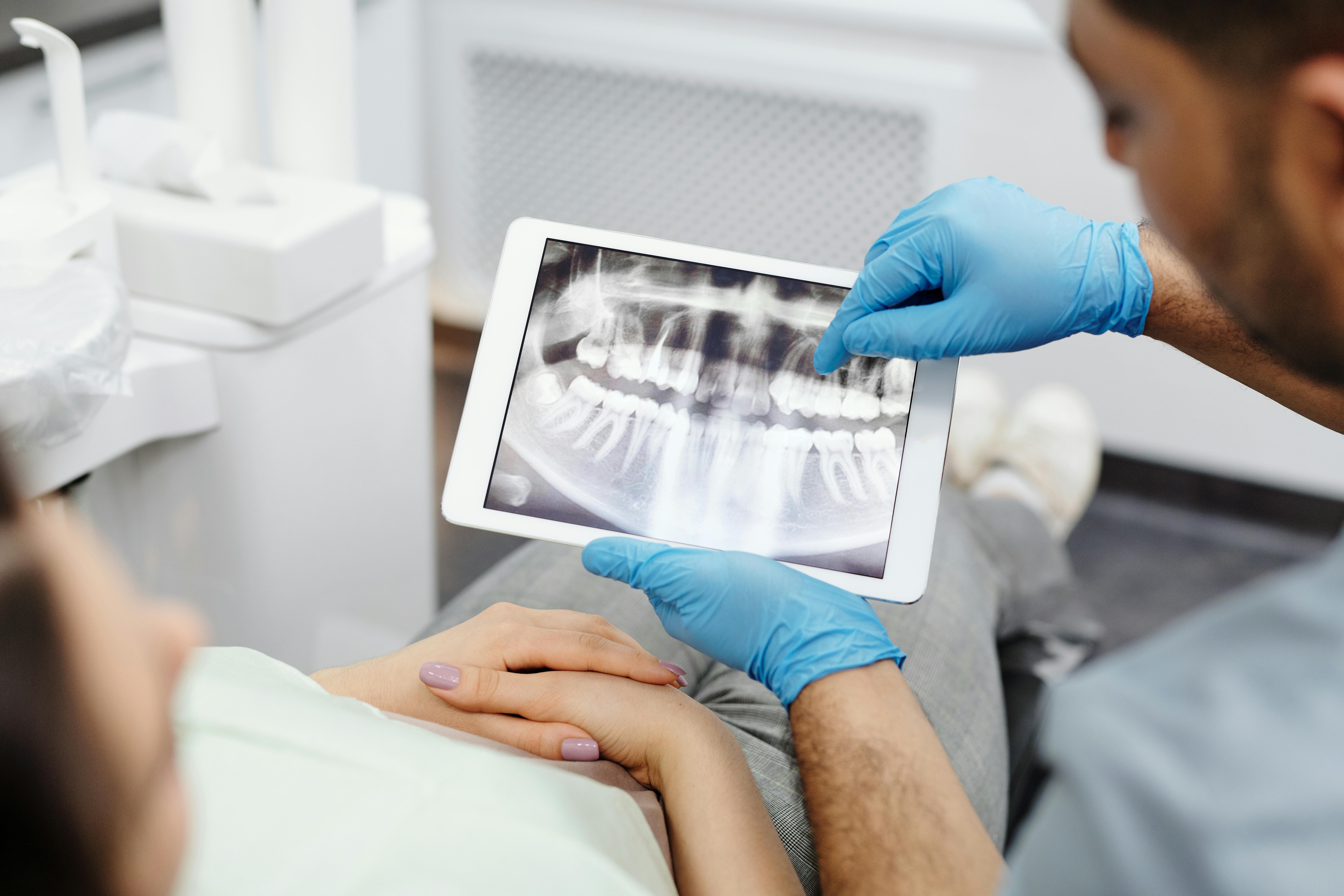
Walk into almost any dental office in Los Angeles and ask about crowns, and you will hear a familiar mix of questions, hesitation, and half-remembered stories from friends, family, or the internet. Some people picture a crown as a last resort. Others assume it will look fake, feel bulky, or require a painful procedure. A surprising number of patients think a crown is only for older adults or for teeth that are already beyond saving.
That confusion is understandable. Dental work tends to carry emotional weight. People worry about pain, cost, appearance, and whether they are being advised to do more than necessary. In a city like Los Angeles, where appearance matters and schedules are packed, patients often want care that is both reliable and discreet. They also want straight answers.
The truth is simpler and more nuanced than most myths suggest. Crowns are neither miracle fixes nor automatic signs of major dental trouble. They are one of the most practical restorative tools in dentistry when used for the right reason, on the right tooth, at the right time. If you have been researching Dental Crowns Los Angeles CA, it helps to separate what crowns actually do from the folklore surrounding them.
What a crown really is, and what it is not
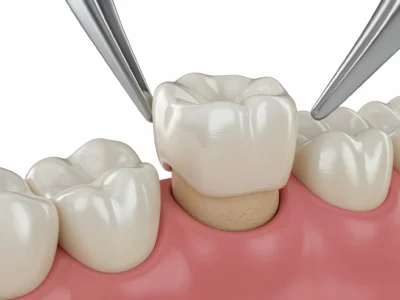
A dental crown is a custom-made cap that covers a damaged, weakened, or heavily restored tooth. Its purpose is structural as much as cosmetic. A crown helps a tooth handle biting forces again after decay, fracture, root canal treatment, or years of wear have left it vulnerable.
That sounds straightforward, but language causes trouble here. Patients sometimes hear “cap” and imagine something decorative, as if the dentist is slipping a shell over the tooth to make it prettier. In reality, a properly designed crown becomes the tooth’s new outer surface. It is shaped to match the bite, contacts the neighboring teeth, and should blend with the rest of the smile as naturally as possible.
A crown is not the same as a filling, veneer, or implant. A filling repairs a smaller area. A veneer mostly changes the front-facing appearance of a tooth. An implant replaces a missing tooth from the root up. A crown, by contrast, is usually placed on an existing tooth that still has a viable foundation but needs complete coverage to remain functional.
That distinction matters because many myths begin with category confusion.
Myth: if you need a crown, your tooth is basically ruined
This is one of the most common misunderstandings, and it often keeps people from getting care soon enough.
A tooth may need a crown because it has a large filling that has weakened the surrounding enamel. It may have a crack line that has not yet split the tooth in half. It may have undergone root canal therapy and become more brittle over time. None of those situations automatically means the tooth is “gone.” Quite the opposite. In many cases, the crown is what saves the tooth from further breakdown.
Dentists often think in terms of predictability. If a tooth has lost too much structure, placing another large filling can become a short-term patch rather than a durable repair. The filling may pop out, the cusps may fracture, or the crack may deepen. A crown can redistribute biting forces and reduce the chance of that cycle repeating.
There is also a timing issue that patients do not always see. A tooth can still look decent in the mirror and feel mostly fine, yet be one hard bite away from a more expensive emergency. Some of the best crown cases are preventive in the practical sense. The dentist is not waiting for disaster. The dentist is trying to prevent it.
Myth: crowns are only about looks
Cosmetics can be part of the picture, but appearance is rarely the whole story.
In Los Angeles, aesthetic concerns are often front and center. Patients understandably care whether a crown will match adjacent teeth, whether it will photograph well, and whether metal will show near the gumline. Those concerns are valid. Still, reducing crowns to cosmetic dentistry misses the point.
A crown’s first job is protection. Think of a molar with a massive old silver filling and hairline cracks around it. Even if that tooth does not hurt, every meal puts stress on thin remaining walls of enamel. A crown reinforces what is left. On front teeth, crowns can help with appearance, but they may also restore strength after trauma or extensive decay.
A useful way to think about it is this: a beautiful crown that does not fit the bite well is not a successful crown. A strong crown that looks unnatural is not an ideal result either. The best work combines function, comfort, and appearance so seamlessly that the patient stops thinking about the tooth at all.
Myth: getting a crown is very painful
This fear persists, and for many people it comes from stories that are decades out of date.
Modern crown procedures are usually far more comfortable than patients expect. Local anesthesia is highly effective, and the tooth is prepared in a controlled way. During the appointment, most patients feel pressure, vibration, and time passing more than they feel pain. The soreness that follows is often mild and temporary, especially if the gum tissue was already inflamed or the tooth was sensitive beforehand.
The experience can be more involved if the tooth already has a deep crack, severe decay, or nerve inflammation. In those cases, the discomfort is often related less to the crown itself and more to the underlying condition that made the crown necessary. That difference matters. When people say, “My crown was awful,” they may be describing a neglected tooth that had been in trouble for months.
There is also a practical point worth making. Delaying treatment because of fear often leads to the very scenario people want to avoid. A tooth that might have been restored with a straightforward crown can turn into a root canal, build-up, crown-lengthening procedure, or extraction if left too long.
In busy urban practices, especially among adults who postpone visits until something breaks, that pattern is common. The crown appointment was not the problem. The delay was.
Myth: a crown means the tooth will never have issues again
Crowns are durable, not indestructible. Patients do best when they understand that distinction from the start.
A well-made crown can last many years, sometimes well over a decade, but longevity depends on several variables. The material matters. The bite matters. Grinding and clenching matter. So do home care, diet, and whether the margin around the crown remains clean and healthy.
Decay can still form where the crown meets the natural tooth if plaque accumulates there. The crown itself cannot get a cavity, but the underlying tooth structure certainly can. Cement can wash out over time. A crown can chip, loosen, or wear. If someone crunches ice, chews pens, or uses teeth as tools, even excellent dentistry gets tested.
This is one reason dentists emphasize maintenance after crown placement. It is not sales talk. It is mechanics and biology.
Here are the habits that make the biggest difference after a crown is placed:
- Brush thoroughly along the gumline, not just the visible surface.
- Floss daily and slide the floss out carefully if the area is tender at first.
- Use a night guard if you clench or grind in your sleep.
- Avoid using crowned teeth to tear packaging or bite hard objects.
- Keep regular exams so small margin problems are caught early.
That list is not glamorous, but it is honest. Crowns succeed best when patients treat them as restored teeth, not armored parts.
Myth: crowns always look fake
Years ago, this concern had more basis in reality. Today, it depends heavily on planning, materials, shade Dental Crowns Los Angeles CA selection, and who is doing the work.
When crowns look artificial, there is usually a reason. The shade may be too bright. The shape may be too square or too uniform. The surface texture may be flat and lifeless compared with natural enamel. On front teeth, even tiny mismatches become obvious because neighboring teeth are rarely identical. They have translucency, faint color variation, and light-reflecting contours that generic restorations often miss.
A natural-looking crown requires attention to details that patients may never see. Good photographs help. So does taking the shade in proper lighting, before the tooth dries out. For highly visible teeth, the conversation may include how the patient’s smile line moves, whether they show more gum on one side, or how the neighboring teeth are likely to change over time.
Los Angeles patients often bring a higher aesthetic bar to these discussions, and that is not vanity. It is realism. If your work involves meetings, media, hospitality, or public-facing roles, a noticeable front tooth crown can affect confidence in very practical ways.
The reassuring part is that materials have improved significantly. All-ceramic options can be remarkably lifelike. Even so, not every case calls for the same material. A back molar in a heavy grinder may need different priorities than a lateral incisor in a patient with a delicate smile.
The best aesthetic outcomes usually come from matching the restoration to the person, not choosing the trendiest material by default.
Myth: every cracked tooth needs a crown, and every crown means overtreatment
These are opposite myths, and both miss the clinical judgment involved.
Not every cracked tooth needs a crown. Some small craze lines in enamel are superficial. Some teeth can be managed with a bonded restoration if the damage is limited and the bite is favorable. On the other hand, not every recommendation for a crown is aggressive or profit-driven. When a crack undermines the cusps of a molar, a conservative-looking filling can actually be the riskier choice.
Dentists weigh several factors before recommending full coverage. How much healthy tooth remains? Is the crack symptomatic? Is the tooth a premolar under shear forces or a molar taking heavy chewing load? Has the tooth already been filled multiple times? Is the patient a grinder? Is the margin likely to be kept clean long term?
This is where second opinions can be helpful when the diagnosis is not clear, but they should be thoughtful second opinions, not just a hunt for the lowest fee or the least intervention. A cautious dentist may recommend watching a tooth. An equally cautious dentist may recommend crowning it before it splits. Both can be acting reasonably if they are interpreting risk differently.
Patients are best served when the explanation includes the trade-offs. “We can try a filling, but there is a meaningful chance this cusp fractures later” is a more useful discussion than “You definitely need this” or “Let’s do the cheapest thing and see.”
Myth: crowns are all the same
This assumption creates disappointment more often than people realize. Crowns vary in material, fit, design, and how they are fabricated.
Some are made from zirconia for strength. Some are layered ceramics selected for aesthetics. Some offices use digital scanning and in-house milling for certain cases. Others work closely with outside labs that specialize in complex cosmetic cases. None of that automatically makes one office better than another, but it does mean that crowns are not interchangeable commodities.
Even two crowns made from the same material can perform differently if one has better contours, tighter margins, or more thoughtful bite adjustment. A crown should not feel “mostly okay.” It should seat properly, contact the neighboring teeth appropriately, and function without creating a high spot that leaves the tooth sore when chewing.
This is one area where searching for Dental Crowns Los Angeles CA can produce a wide range of options, from boutique cosmetic practices to large group offices to neighborhood family dentists with long-standing lab relationships. The right fit depends on your tooth, your goals, and your tolerance for trade-offs between speed, budget, and aesthetics.
A same-day crown can be a convenient solution for many patients. It also may not be the ideal path for every highly visible front tooth where characterization and exact shade layering matter more. Fast is not always inferior, and custom lab work is not always necessary. The point is that treatment should be chosen case by case.
Myth: crowns fail because the dentist did something wrong
Sometimes a crown does fail because of design, fit, or cementation issues. That happens, and pretending otherwise would not be honest. But many crown problems arise from factors outside the delivery appointment.
Teeth are not static foundations like concrete posts. They flex microscopically under force. Gums recede. Bites Dental Crowns Los Angeles CA change. Patients grind, age, skip cleanings, develop dry mouth, or start medications that alter oral health. A crown placed beautifully can still face difficult conditions five or ten years later.
One common example is the patient who clenches heavily at night but never noticed it because there was no pain. Then a crown chips or the tooth becomes tender to biting. The crown did not necessarily fail because it was defective. It may have been absorbing more force than any restoration could reasonably tolerate without protection.
Another example is recurrent decay at the margin. Patients often assume the crown “went bad.” More accurately, plaque stayed along the edge of the restoration long enough for the natural tooth underneath to decay. The restoration may have been intact. The biology around it was not.
Blame is not a very useful framework here. Better questions are these: what changed, what is salvageable, and what can reduce the chance of a repeat problem?
Myth: once a crown is recommended, there are no alternatives
Sometimes there really are no durable alternatives. Often there are options, but they carry different risks, lifespans, or aesthetic compromises.
A tooth with moderate damage might be restorable with a large bonded onlay instead of a full crown. In some cosmetic cases, a veneer may be more conservative. In other situations, extraction and implant placement enter the conversation, especially if the tooth is structurally hopeless or has severe periodontal support loss. But patients should be cautious about assuming an implant is automatically “better” than a crown on a natural tooth. Preserving a healthy natural root is usually preferable when the tooth can be predictably saved.
The real question is not whether alternatives exist in the abstract. It is whether they make sense for your specific tooth, habits, anatomy, and budget.
That is where a candid consultation matters most. If a dentist can explain why a smaller restoration may not hold, or why a crown may buy years of function on a compromised tooth, the recommendation becomes much easier to evaluate.
Questions worth asking before you move forward
If you are considering Dental Crowns Los Angeles CA, ask direct, practical questions. You are not being difficult. You are doing due diligence.
A short list can help keep the conversation focused:
- Why is a crown better for this tooth than a filling, onlay, or veneer?
- What material do you recommend for this location, and why?
- Is this mostly about strength, appearance, or both?
- What signs should I watch for after treatment if something feels off?
- How long do you expect this crown to last in my case?
The answers should sound tailored to your tooth, not recited from a script. A molar with a root canal, a front tooth with trauma, and a premolar with a fractured cusp are not the same clinical story, even if all three may end up with crowns.
The Los Angeles factor, and why context matters
Crowns are not practiced in a vacuum. Local context shapes patient expectations and treatment choices in real ways.
In Los Angeles, many patients want restorations that are inconspicuous under bright light, high-definition cameras, and frequent social interaction. That raises the bar for anterior work. It also means people may be balancing treatment against work schedules, travel, and the need to minimize appointment disruptions. Digital workflows and temporary crown techniques can be especially valuable in that environment.
At the same time, the city’s range of providers means patients can encounter very different philosophies. One office may emphasize aesthetics above all. Another may focus on long-term functional durability. A third may be highly cost-conscious. None of those approaches is automatically wrong, but patients should recognize the lens through which recommendations are being made.
Good crown dentistry lives at the intersection of biology, engineering, and appearance. The best outcomes come from clear diagnosis, honest communication, and a treatment plan that fits the actual tooth in front of the dentist, not a generic template.
Crowns have earned a strange reputation over the years, partly because they are common and partly because they sit at the center of so many patient anxieties. Yet most of the myths surrounding them collapse under close examination. A crown does not mean your tooth is doomed. It is not automatically painful, fake-looking, or excessive. It is not a lifetime guarantee either. It is a carefully chosen restoration with strengths, limits, and a very practical role in preserving teeth that still have value.
For patients sorting through options for Dental Crowns Los Angeles CA, the most useful mindset is neither fear nor blind trust. It is informed skepticism paired with a willingness to hear the reasoning behind the recommendation. When that reasoning is sound, a crown is often not the beginning of a problem. It is the step that keeps a manageable problem from becoming a much bigger one.
Simple Dental Vermont
Address: 8914 S Vermont Ave, Los Angeles, CA 90044
Phone number: +13239493000
FAQ About Dental Crowns Los Angeles CA
How much do crowns cost per tooth?
In the United States, a single dental crown typically costs between $800 and $2,500 per tooth without insurance. The ultimate out-of-pocket price depends heavily on the crown material, the location of the tooth, and whether you have dental insurance coverage.
What is the downside of crowns on teeth?
The primary downside of a dental crown is that the procedure permanently removes natural tooth enamel to shape the tooth for the cap.
Why do dentists push for crowns?
Dentists recommend crowns because a large filling cannot provide enough strength when a tooth loses a major portion of its structure or faces heavy chewing pressure.
Ends · RYLANVEPQ332