Your Guide to Dental Crowns Los Angeles CA for a Stronger Smile
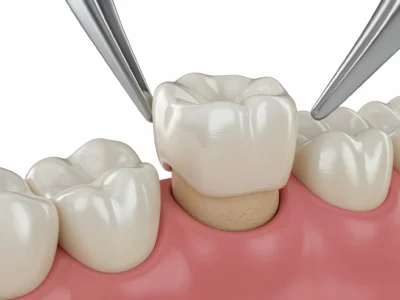
A dental crown is one of those restorations people rarely think about until they need one. Then it becomes very important, very quickly. A cracked molar after biting down on a hard seed, a root canal on a front tooth, an old filling that finally gives way, these are the moments when a crown stops being an abstract dental term and becomes the practical solution that saves a tooth.
For patients looking into Dental Crowns Los Angeles CA, the decision often involves more than the tooth itself. Los Angeles patients tend to weigh appearance carefully, especially for visible teeth, but function matters just as much. A crown has to look natural, yes, but it also has to handle real chewing pressure, fit your bite precisely, and last under daily use. The best outcomes come from understanding what crowns do, when they are appropriate, and how to choose wisely.
What a dental crown actually does
A crown is a custom-made covering that fits over a damaged or weakened tooth. Think of it as a protective outer shell designed to restore the tooth’s shape, strength, and appearance. Unlike a filling, which repairs part of a tooth, a crown surrounds most or all of the visible portion above the gumline.
In practice, crowns solve several different problems. They reinforce teeth that are likely to fracture. They restore teeth that already have significant structural damage. They can improve the look of misshapen or heavily discolored teeth when other cosmetic approaches are not enough. They also play a key role after root canal treatment, especially on back teeth that need extra support.
A well-made crown should not feel bulky or foreign. Patients often worry that a crowned tooth will always feel different. In reality, when the preparation is conservative, the lab work is accurate, and the bite is adjusted properly, most people adapt quickly. After a short adjustment period, the crown usually feels like part of the natural dentition.
Why crowns are so common in restorative dentistry
Crowns sit at the intersection of preservation and durability. Many teeth can be saved with less extensive treatment, but there is a threshold where a filling is no longer enough. Once a tooth has lost too much healthy structure, trying to patch it repeatedly can become a cycle of failure.
A common example is the large old silver filling in a molar. Over time, the tooth around that filling can weaken. Tiny cracks may form. The patient may notice sharp pain when chewing, or sensitivity that comes and goes. At that stage, replacing the filling with another filling might seem cheaper in the short term, but it often leaves the tooth vulnerable to splitting. A crown distributes biting forces more evenly and can prevent a much larger problem later.
This is especially relevant in a city like Los Angeles, where many adults keep busy schedules and prefer predictable, durable treatment. Replacing a failing filling every few years is frustrating. Treating a fractured tooth after it breaks can be far more expensive and uncomfortable than restoring it before that happens.
When a crown makes sense, and when it may not
Not every damaged tooth needs a crown. Good dentists do not place crowns simply because they are available. The goal is always to preserve as much natural tooth structure as possible. If a small cavity can be repaired with a filling, that is usually the more conservative option. If a front tooth has minor cosmetic concerns, bonding or veneers may be better suited. If a tooth is too badly broken below the gumline, extraction may unfortunately be the more realistic path.
Still, there are clear situations where a crown is often the best treatment:
- a tooth with a very large filling and not much healthy enamel left
- a cracked tooth causing pain on biting
- a tooth that has had root canal therapy, particularly a premolar or molar
- a worn-down tooth from grinding or acid erosion
- a dental implant that needs its final visible restoration
Patients sometimes ask whether crowns are only for older adults. Not at all. Younger adults can need crowns after trauma, deep decay, or developmental enamel issues. Age matters less than the condition of the tooth and the forces it has to withstand.
Materials matter more than most people realize
Crowns are not all the same. Material choice affects appearance, strength, longevity, and cost. It also depends on where the tooth sits in the mouth and how you use it.
All-ceramic and porcelain crowns are popular for front teeth because they can mimic natural enamel beautifully. They reflect light well and avoid the opaque or metallic look that older restorations sometimes had. For someone restoring an upper central incisor, esthetics are often the top priority, and a high-quality ceramic crown can blend remarkably well when done properly.
Zirconia crowns have become increasingly common because they combine strong durability with a tooth-colored appearance. They are often chosen for back teeth, where chewing forces are greater. In patients who grind heavily, zirconia can be a sensible option, though the bite still needs to be adjusted carefully to protect opposing teeth.
Porcelain-fused-to-metal crowns are still used in some cases. They have a metal base for strength with porcelain layered on top for appearance. They can perform well, but they are less favored for highly cosmetic areas because the metal margin can sometimes show near the gumline over time.
Gold and other metal alloy crowns remain excellent from a functional standpoint, especially on molars that do not show when smiling. They wear kindly against opposing teeth and can last a very long time. Some patients love that practicality. Others prefer a tooth-colored material even in the back.
There is no universal “best” crown. The right choice depends on the tooth, the bite, the cosmetic demands, and the patient’s habits. Someone with severe clenching may need a very different material plan than someone restoring a front tooth after a bicycle accident.
The process, from first visit to final placement
Most traditional crowns are completed over two visits. At the first appointment, the dentist examines the tooth, takes images if needed, removes decay or old restorative material, and shapes the tooth so the crown can fit over it properly. Impressions or digital scans are then taken. A temporary crown is usually placed while the final one is made by a dental lab.
That temporary matters more than people think. It protects the prepared tooth, helps maintain gum health, and gives the patient a preview of general shape and function. It is not meant to be perfect, but it should be comfortable enough for normal short-term use. If a temporary crown feels too high or irritates the gums, speak up. Small adjustments can prevent a frustrating two-week stretch.
At the second visit, the temporary is removed and the final crown is tried in. The dentist evaluates the fit, contact with neighboring teeth, bite, and appearance. Only when those details are right is the crown cemented permanently.
Some Los Angeles practices also offer same-day crowns using in-office milling technology. These systems can be convenient, especially for patients with limited time. In the right case, a same-day crown can work very well. But convenience should not be the only factor. Complex cosmetic cases, difficult bite relationships, or cases requiring layered esthetics may still benefit from a skilled laboratory technician’s work.
What patients in Los Angeles should think about before saying yes
In a large city, options are plentiful. That can be an advantage, but it can also make the decision feel harder. Searching for Dental Crowns Los Angeles CA will bring up everything from boutique cosmetic offices in Beverly Hills to family practices in the Valley and high-volume clinics near major commercial corridors. The important question is not which office has the flashiest website. It is whether the diagnosis is sound and the execution is careful.
Crowns are technique-sensitive. A beautifully marketed practice can still deliver an ill-fitting restoration if the margins are rough, the bite is off, or the material choice is poor for the situation. By contrast, a modest office with an experienced restorative dentist may produce consistently excellent work.
Patients in Los Angeles often also care about timing. If you work on camera, speak publicly, or simply do not want a visible temporary on a front tooth for Dental Crowns Los Angeles CA simpledentalca.com long, discuss that up front. There are ways to plan around important events, but only if the dentist understands the timeline. I have seen patients schedule a front tooth crown one week before a wedding or major presentation, assuming it will be simple. Sometimes it is. Sometimes the gum tissue needs more time to settle, or the shade match needs refining. Rushed dentistry usually does not reward the patient.
Cost, value, and why cheap dentistry can become expensive
Crown fees vary widely by location, material, complexity, and whether additional treatment is required. In Los Angeles, cost can range significantly from office to office. That does not automatically mean the highest fee guarantees the best result, or that the lowest fee is always poor. But very low pricing should prompt questions.
A crown is not just the visible cap. You are paying for the diagnosis, preparation design, imaging, temporary restoration, lab or milling quality, bite refinement, cementation, and follow-up. If corners are cut in any of those steps, the crown may fail early or cause ongoing irritation.
A crown that is slightly too high can trigger jaw soreness or make chewing uncomfortable. One with open margins can allow bacteria in, leading to decay under the crown. A poorly contoured crown can trap food and inflame the gums. These are not dramatic failures at first, but they matter. Redoing a crown is inconvenient, and every redo often removes a bit more natural tooth structure.
Insurance may help, particularly when the crown is medically necessary due to decay, fracture, or root canal treatment. Cosmetic changes are less likely to be covered. It is worth asking for a written estimate and understanding whether a buildup, core, or gum treatment is also part of the fee.
How long a crown should last
Patients often want a simple number. The honest answer is that lifespan varies. Many crowns last well over a decade. Some last much longer. Others need replacement earlier due to decay at the margins, heavy grinding, changing bite forces, or trauma.
The crown itself is only part of the story. The tooth underneath still matters. If plaque accumulates around the gumline and decay develops at the edge of the crown, the restoration may have to come off. If a patient clenches all night without a protective guard, even a strong crown can chip or the underlying tooth can crack.
I have seen two opposite scenarios many times. One patient receives a crown and hardly thinks about it again, except to brush and floss well and wear a night guard as directed. Fifteen years later, it is still doing its job. Another patient gets a crown, skips follow-ups, grinds heavily, and assumes the crown is invincible because it is artificial. Three years later, the gum is inflamed and the bite is wearing unevenly. Same treatment, very different outcomes.
The adjustment period, what is normal and what is not
A newly cemented crown can feel slightly unusual at first. That is common. Your tongue notices tiny differences instantly, even when those differences are clinically appropriate. Mild sensitivity to cold or pressure can also occur for a short period, particularly if the tooth was already irritated before treatment.
What should not persist is a sense that the tooth hits first every time you bite. That often means the bite needs refinement. Nor should you ignore ongoing throbbing, gum tenderness that worsens, or difficulty flossing between the crowned tooth and its neighbor. These are all reasons to return for a check.
Most post-crown concerns are fixable when addressed early. A ten-minute bite adjustment can prevent weeks of discomfort. A polished rough edge can stop floss from shredding. Patients sometimes hesitate to call because they worry they are being picky. They are not. Good restorative dentistry depends on fine details, and those details are often felt before they are visible.
Caring for a crown so it lasts
Crowns do not require exotic maintenance. They require consistency. Brush carefully along the gumline, floss daily, and keep recall visits. If your dentist recommends a night guard, take that seriously. Los Angeles patients, especially those balancing long commutes, stress, and irregular sleep, often clench more than they realize. Night grinding can shorten the life of both natural teeth and restorations.
Be mindful with very hard foods. Crowns are strong, but they are not meant to crack ice cubes, open packaging, or handle repeated abuse from habits like chewing pens. The same common-sense care that protects natural teeth protects crowns too.
Questions worth asking at your consultation
A crown recommendation should make sense to you before treatment starts. A good consultation leaves room for conversation, not just consent forms.
- Why is a crown better for this tooth than a filling or another option?
- What material do you recommend for this location, and why?
- Will I need a buildup, root canal, or any treatment before the crown?
- How long will I be in a temporary, and what should I avoid?
- If I grind my teeth, how will that affect the plan?
Those questions are not challenging the dentist. They are part of making an informed decision. Thoughtful dentists usually appreciate them.
Cosmetic expectations, especially for front teeth
Front tooth crowns require a different level of planning. Matching a single front tooth to the surrounding natural teeth is one of the harder tasks in dentistry. Shade is only one part of it. Surface texture, translucency, brightness, and the way the tooth catches light all matter.
This is where communication becomes essential. If the tooth is highly visible when you smile, ask whether custom shading, photographs, or even a lab consultation will be used. In some cases, a dentist may recommend whitening neighboring teeth before finalizing the crown shade. That sequence can make the final result blend much better.
Gum tissue also plays a role. If the gums are inflamed or uneven at the time of preparation, the final esthetic outcome can suffer. Sometimes the best cosmetic result comes from slowing down and letting tissue heal before taking the final impression or scan.
Patients often bring celebrity photos or ultra-white smile references to these appointments, especially in Los Angeles. That can be helpful as a conversation starter, but natural-looking dentistry rarely comes from choosing the brightest shade on a chart. The most convincing crowns are the ones that do not announce themselves.
Crowns on implants are a related, but different, treatment
It is easy to lump all crowns together, but a crown on an implant is not the same as a crown on a natural tooth. A natural tooth has a ligament and a bit of physiologic movement. An implant does not. The way forces are distributed is different, and so is the way the restoration is attached.
If you are replacing a missing tooth with an implant crown, the planning must account for bone support, gum contours, spacing, and bite forces. The esthetic demands can be very high, especially in the front. It is still a crown, but the biology underneath changes the rules.
Choosing the right provider for Dental Crowns Los Angeles CA
When comparing offices for Dental Crowns Los Angeles CA, look beyond before-and-after photos. Ask about experience with restorative cases like yours. Pay attention to how clearly the dentist explains the diagnosis. Notice whether the office discusses bite, material options, and maintenance, or only the appearance.
A careful provider will examine the whole picture. If a tooth cracked because of untreated grinding, they should mention that. If the crown margin will sit near the gumline and plaque control matters, they should explain how to keep that area clean. If a front tooth crown may require extra esthetic steps, they should set those expectations before treatment begins.
The strongest smiles are rarely built by rushing. They come from thoughtful planning, precise execution, and good habits afterward. A dental crown can be a straightforward repair or a nuanced restoration depending on the case. Either way, when it is done well, it protects the tooth, improves comfort, and lets you chew and smile with confidence again. For many patients, that is not just a dental fix. It is a return to normal life, without the constant awareness that something in the mouth is weak, painful, or at risk.
Simple Dental Vermont
Address: 8914 S Vermont Ave, Los Angeles, CA 90044
Phone number: +13239493000
FAQ About Dental Crowns Los Angeles CA
How much do crowns cost per tooth?
In the United States, a single dental crown typically costs between $800 and $2,500 per tooth without insurance. The ultimate out-of-pocket price depends heavily on the crown material, the location of the tooth, and whether you have dental insurance coverage.
What is the downside of crowns on teeth?
The primary downside of a dental crown is that the procedure permanently removes natural tooth enamel to shape the tooth for the cap.
Why do dentists push for crowns?
Dentists recommend crowns because a large filling cannot provide enough strength when a tooth loses a major portion of its structure or faces heavy chewing pressure.
Ends · RYLANVEPQ332